Vehicle dynamics translated into controlled drivetrain behavior
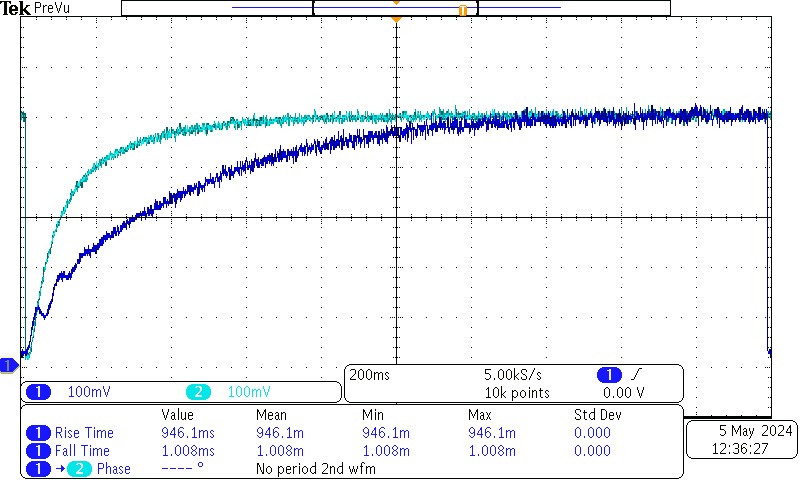
The EV story follows a dual-layer cascaded torque-control pathway. The selected visual is a measured acceleration-profile result from a hardware-in-the-loop drivetrain study, where velocity and torque behavior are evaluated under controlled laboratory conditions rather than only through offline simulation.
The control design separates vehicle-level demand from drivetrain-level response. The outer layer interprets motion requirements, while the inner layer regulates torque production so the drivetrain remains smooth under the requested acceleration profile. The oscilloscope-style visual matters because it shows measured behavior from the HIL setup, not a decorative vehicle graphic. It connects the mathematical model, control loops, data acquisition, and braking/load arrangement into one practical validation pathway.
For EV research, this supports work on torque control, propulsion dynamics, converter-assisted drivetrain regulation, charging infrastructure interaction, and vehicle-to-grid extension. It is also a strong teaching and consultancy bridge: a student or client can see how a simulated EV controller becomes a measured signal that can be discussed, tuned, and improved.
- EV charging microgrids
- Converter control for mobility
- Energy management in EV infrastructure